Increase Energy Efficiency With Roof Skylights: Reduce Expenses While Upgrading Your Home
Roof skylights offer a viable approach for property owners aiming to boost their home's energy performance. By capturing daylight, they can significantly lower energy bills and improve indoor comfort. Additionally, skylights help create a more inviting atmosphere, complementing various architectural styles. However, selecting the right type and guaranteeing correct installation are critical for achieving optimal results. Recognizing these key considerations can guide homeowners toward thoughtful selections that reshape a property's energy efficiency. What factors should property owners take into account?
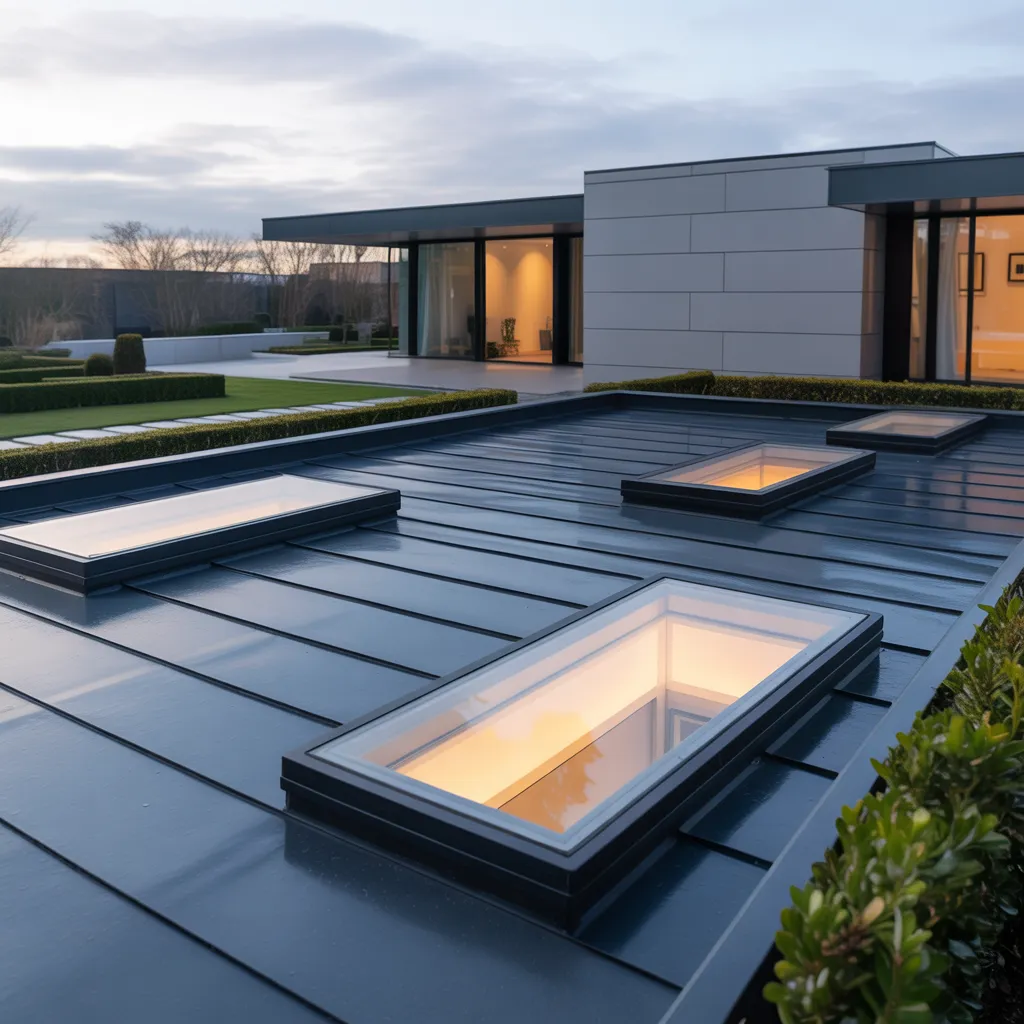
Ways Roof Skylights Increase Energy Efficiency and Save You Money
Roof skylights transform spaces by harnessing natural light, thereby enhancing energy efficiency. By permitting sunlight to filter deeper into a living space, skylights decrease the need for artificial lighting during daylight hours. This organic lighting not only enhances interior brightness but also leads to reduced electricity usage. Furthermore, numerous contemporary skylights feature energy-efficient glazing that limits heat loss during winter and lessens heat gain in summer. This quality supports the maintenance of a steady indoor temperature, consequently lowering the demand for heating and cooling systems. Therefore, homeowners are likely to see a substantial drop in their energy expenses. Additionally, thoughtfully positioned skylights can enhance ventilation, encouraging airflow and decreasing humidity levels, which may further contribute to energy savings. Overall, the incorporation of roof skylights represents a practical investment toward enhancing energy efficiency in residential spaces.
Skylights: Cut Energy Bills and Boost Comfort
Skylights flood interiors with light while simultaneously lowering energy bills and enhancing comfort. By letting natural light enter living areas, skylights reduce reliance on artificial lighting, leading to reduced electricity usage. This not only helps achieve lower energy expenses but also fosters a healthier indoor environment, as natural light has been proven to boost mood and productivity.
Additionally, skylights can boost energy efficiency when installed correctly. Current models often incorporate dual-pane glass and low-e coatings, which reduce heat loss during colder months and decrease heat gain during the warmer season. This balancing of internal temperatures works to maintain a comfortable atmosphere all year long, additionally reducing the need for heating and cooling systems.
As energy efficiency becomes increasingly important for homeowners, the incorporation of skylights provides an effective solution. By harnessing the study sun's energy, skylights serve as a dual-purpose feature—supporting both financial savings and a warmer, more welcoming living environment.
The Aesthetic Appeal of Roof Skylights
Beyond the improvements in energy efficiency, the visual appeal of skylights should not be underestimated. Such architectural additions reshape environments by bathing them in natural light, generating a warm environment that artificial lighting struggles to recreate. The play of sunlight throughout the day imparts a vibrant dimension to interior spaces, accentuating textures and hues.
Moreover, skylights can work as remarkable focal points, transforming the overall design of a room. They provide unobstructed views of the sky and surrounding landscape, making spaces feel more spacious and in touch with nature. Diverse designs and sizes empower homeowners to adapt skylights to their individual aesthetic choices, whether sleek or timeless.
In the end, the incorporation of skylights not only enhances overall energy performance but also enhances the visual appeal of a home, creating a more harmonious living environment.
How to Choose the Right Roof Skylights for Your Home
Identifying the appropriate skylights for your roof requires recognizing the different varieties on the market and their particular advantages. Moreover, proper installation and ongoing maintenance are vital for maximizing energy performance and lifespan. This overview will assist home occupants with these important factors.
Kinds of Roof Skylights
Choosing the suitable type of roof skylight can considerably boost both the visual appeal and energy performance of a house. There are several skylight options to explore. Stationary skylights, which do not open, are perfect for maximizing the amount of natural light without the need for ventilation. Operable skylights permit airflow, assisting in reducing indoor humidity and boost air quality. Tube skylights are small and highly effective, funneling light from the roof to indoor areas, making them ideal for limited areas. When it comes to materials, glass skylights frequently offer better thermal insulation compared to plastic options, while low-emissivity coatings can improve energy efficiency. Ultimately, picking the right type is determined by specific needs, building design, and particular energy efficiency objectives.
Installation and Upkeep Advice
Adding roof skylights can significantly improve a home's natural lighting and energy performance, but thoughtful planning is essential for optimal outcomes. Homeowners should first evaluate the roof's structure to ascertain it can support the skylight installation. Choosing the right type—fixed, vented, or tubular—depends on the desired light, ventilation, and aesthetic appeal. Strategic positioning is critical; optimally, skylights should be fitted where they can harness the most sunlight without blocking sightlines or reducing privacy.
Regular maintenance is also important. Property owners ought to examine seals and flashing for any signs of leaks, wash the glass panels to preserve visibility, and look for debris that could obstruct natural light. By adhering to these recommendations, homeowners can enjoy the benefits of skylights while securing longevity and performance.
Installing Your Skylights: Important Steps and Helpful Tips
Fitting skylights requires careful consideration of location and the right equipment for the project. Identifying an optimal spot provides maximum natural light and energy efficiency, while maintaining essential installation tools on hand facilitates the process. This article will describe the essential steps and tips for a successful skylight installation.
Picking The Perfect Location
How should skylights be positioned to optimize natural light and energy efficiency? The best placement demands careful consideration of the building's orientation and the sun's movement. Skylights facing south receive the greatest amount of sunlight, making them ideal for passive solar heating. In contrast, skylights facing north offer consistent, soft light without excessive heat buildup, ideal for spaces that require bright light without glare. Care should be taken to avoid spots where obstructions like trees or nearby structures could block sunlight. Moreover, positioning skylights in busy areas such as kitchens and living rooms increases natural light and enhances the atmosphere. Lastly, accounting for the roof pitch and structural design ensures adequate water drainage and minimizes the risk of leaks. Thoughtful location selection will greatly contribute to energy efficiency and overall home comfort.
Critical Installation Tools
Preparing oneself with the right tools is vital for a successful skylight installation. A complete toolkit should include a tape measure for exact measurements, a level to guarantee proper alignment, and a utility knife for trimming roofing materials. Additionally, a drill with suitable bits is needed for fastening the skylight securely. Safety equipment, such as gloves and goggles, safeguards against potential hazards during installation. A caulking gun is essential for spreading sealant to prevent leaks, while a hammer and roofing nails ensure a durable installation. Having a helper can also expedite the process, making it more manageable to maneuver and set the skylight. With these vital tools, homeowners can accomplish a smooth and effective skylight installation, enhancing their living spaces.
Key Maintenance Tips for Durable Skylights
Upkeeping rooftop skylights is crucial for ensuring their longevity and ideal performance. Periodic examinations should be carried out to spot any underlying concerns, such as cracks or moisture intrusion in the frame and glazing. Washing the skylights no fewer than two times per year is necessary; this involves using a soft cloth and a mild detergent to remove dirt and debris, which can block natural light and diminish visual appeal.
Furthermore, inspecting weather stripping and seals works to prevent the infiltration of air and water, ensuring efficient energy use. It is recommended to trim any overhanging branches which could cause damage to skylights during severe weather. It is also important to clean and inspect gutters to avoid water accumulation that may compromise the skylight's integrity. In conclusion, consulting professionals for maintenance and repair requirements can significantly increase the durability of the skylights, making sure they consistently contribute to the home's beauty and energy performance.

Commonly Asked Questions
Do Skylights Increase Home Resale Value
Skylights can enhance a home's market value by bringing in more natural light, enhancing the overall aesthetics, and resonating with eco-conscious purchasers. Their potential to create a more inviting atmosphere commonly positions skylight-fitted properties as more sought-after listings.
Are Skylights Effective at Reducing Reliance on Artificial Lighting?
Skylights can considerably reduce the need for electric lighting by permitting sunlight to flood indoor areas. This elevates the overall ambiance while potentially lowering energy costs, rendering homes more welcoming and environmentally friendly over time.
In What Ways Do Skylights Influence Indoor Temperature Changes?
Skylights can assist in moderating fluctuations in indoor temperatures by providing natural light and heat. During sunny days, they allow solar gain, while at night, they can release accumulated heat, helping create a more consistent indoor climate.
Are Tax Incentives Available for Skylight Installation?
Absolutely, financial incentives for installing skylights might be offered, according to local policies and green energy programs. Homeowners are encouraged to research available credits or rebates that encourage energy-conscious home modifications, with skylight installations among them.
Can Skylights Enhance Indoor Air Quality?
Skylights can improve indoor air quality by enabling natural airflow and minimizing the need for artificial lighting. This influx of fresh air and sunlight serves to lower humidity and encourages a healthier living environment overall.